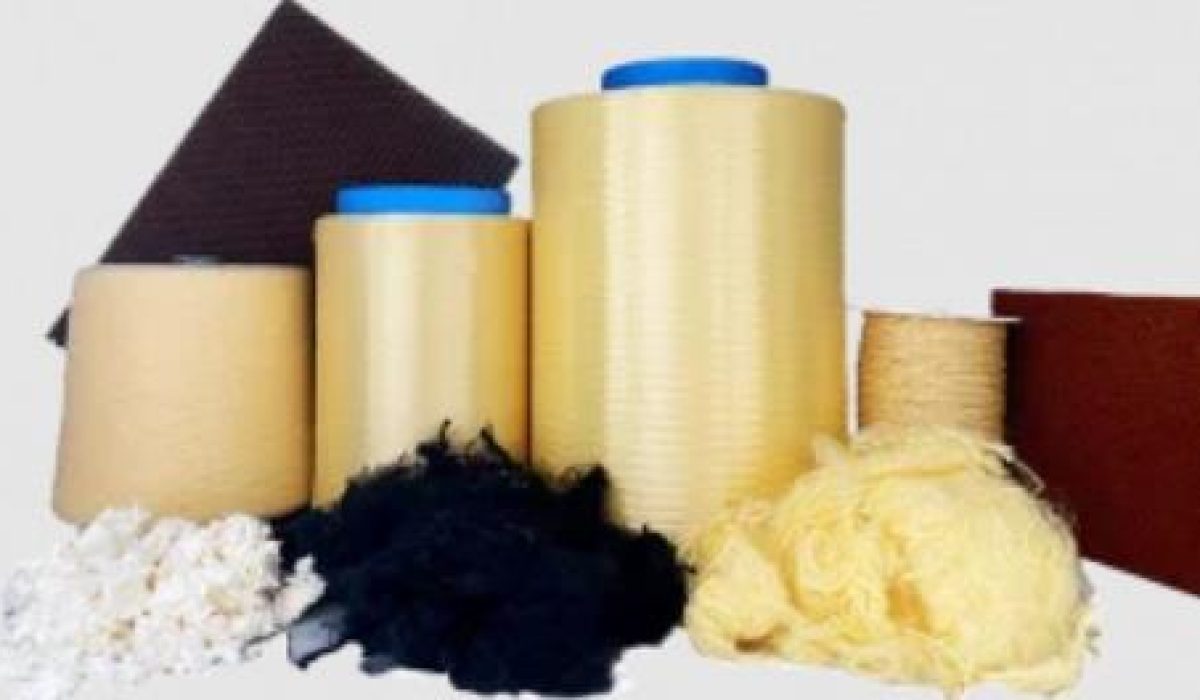
Struggling to find a material that's both strong and light? Traditional materials are often heavy or weak. Aramid fibers1 offer an incredible solution for your most demanding applications.
Aramid fibers are a class of high-performance synthetic fibers2. They are known for their extreme strength3, heat resistance4, and low weight5. These properties make them essential in aerospace, automotive, and protective gear industries. They offer superior performance where other materials might fail.
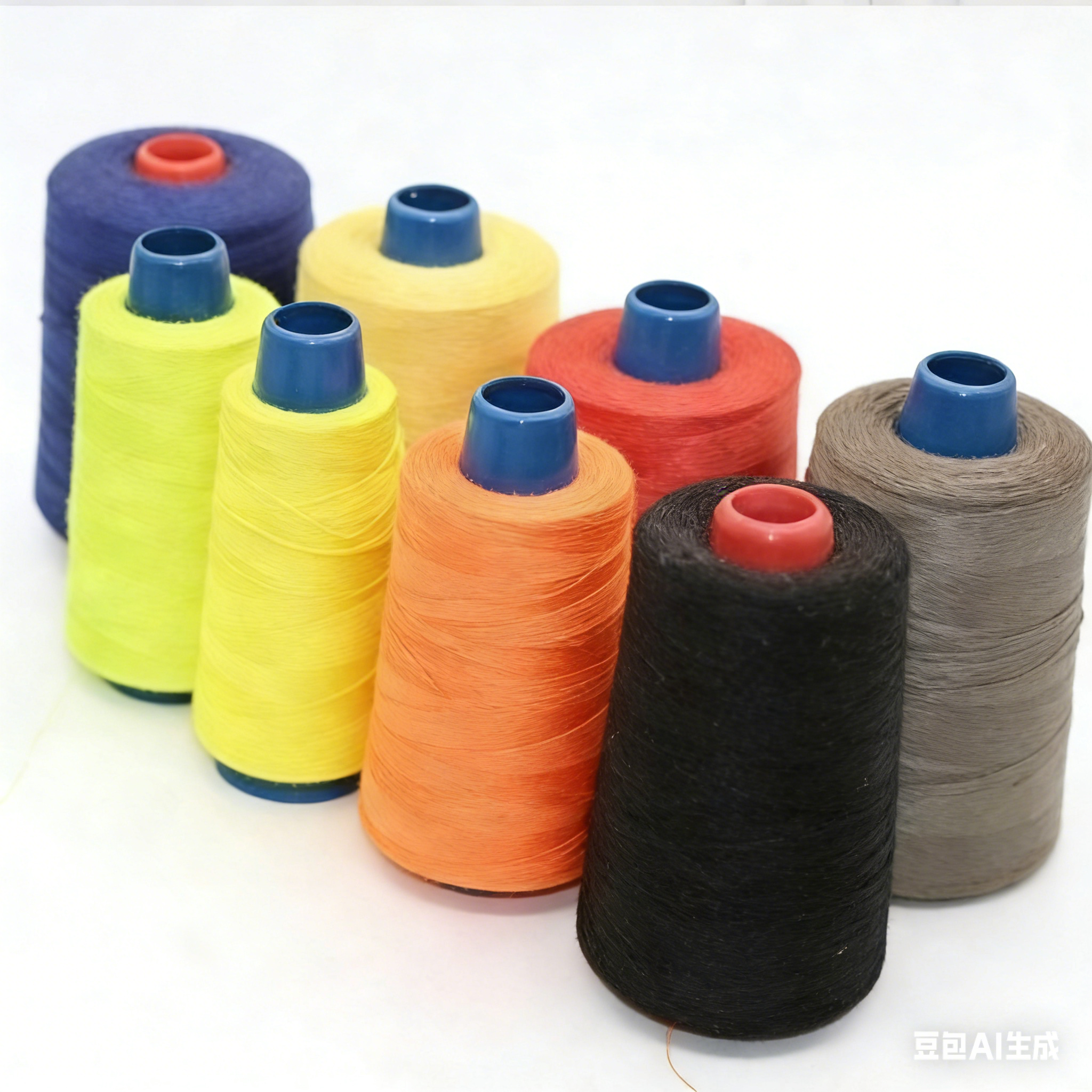
I've spent over 15 years in this business, working directly with these amazing materials. I’ve seen them solve problems that seemed impossible. To really understand their value, you need to know the different types and what makes each one special. Let’s break it down so you can see how they can benefit your projects.
Are Kevlar®6 and Nomex®7 Just Brand Names for Aramid?
You might be confused by all the different names in the industry. Terms like Kevlar®6, Nomex®7, and aramid can be misleading. You need to know exactly what material you are getting.
Yes, Kevlar®6 and Nomex®7 are famous brand names for specific types of aramid fibers. Kevlar®6 is DuPont8's brand for para-aramid9 fiber. Nomex®7 is their brand for meta-aramid10 fiber. The correct scientific names for the materials are para-aramid9 and meta-aramid10.
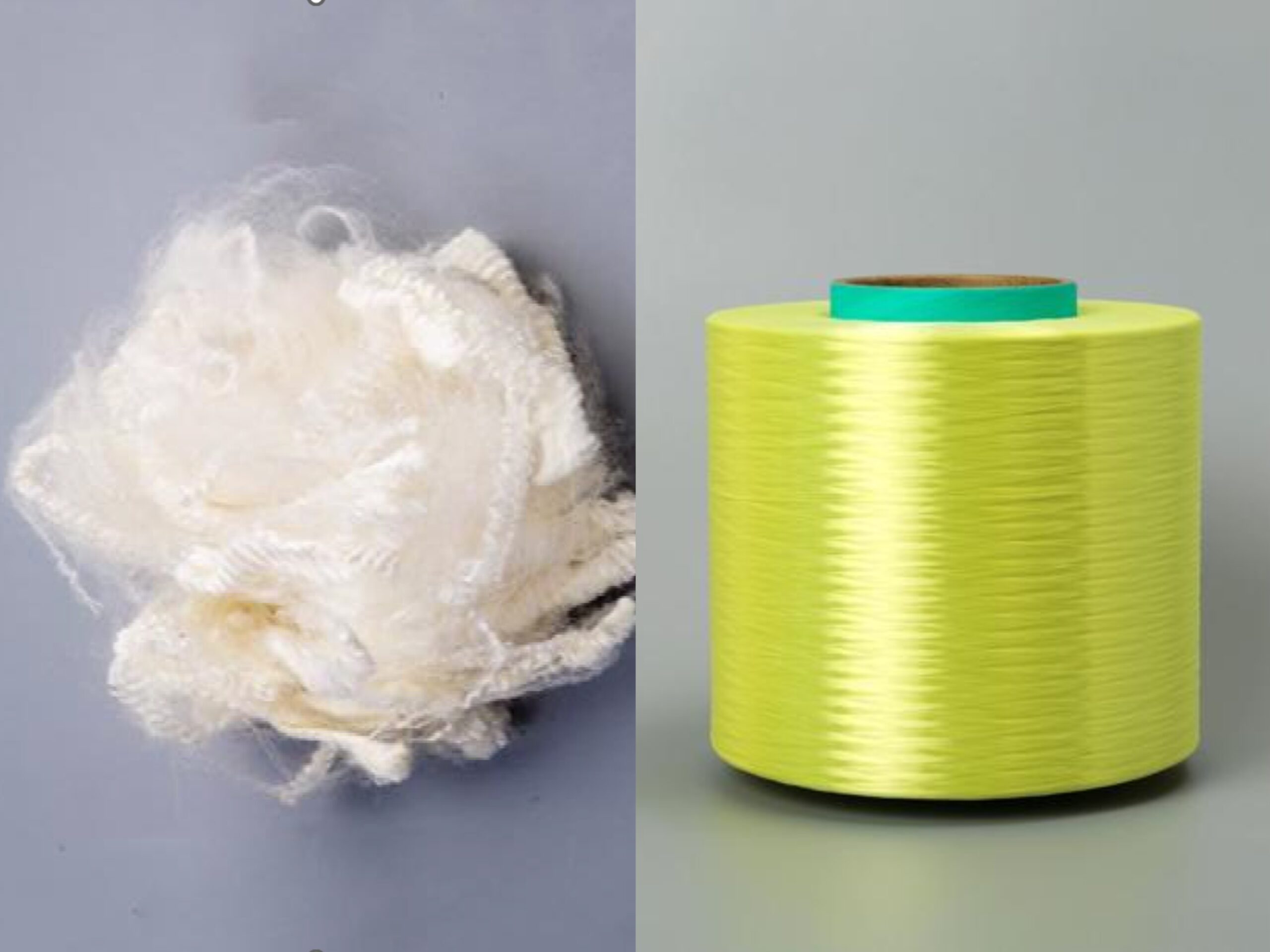
This is a common point of confusion, and it’s a big deal. DuPont8 invented these fibers, so their brand names became very famous. It's similar to how people say "Kleenex" for any tissue. In my work, I often meet clients who ask for "Kevlar" when they actually need the properties of a different aramid. As a manufacturer, we focus on the technical specifications, not just the brand. This is very important when you source materials from different global suppliers. Knowing the real name helps you compare products from us, Teijin11, or Kolon accurately. It ensures you get the right performance for your application every single time.
Why Knowing the Difference Matters
A few years ago, a client came to us asking for Kevlar®6 for a new project. They needed to build a protective barrier around some high-temperature machinery. After a short conversation, I realized they were focused on the brand's reputation for strength. But their main challenge was intense heat, not impact. I explained that meta-aramid10, like Nomex®7, was the right choice for heat resistance4. This simple clarification saved them from a costly mistake and ensured their final product was safe and effective. It all comes down to understanding the base material.
| Brand Name | Scientific Name | Primary Property |
|---|---|---|
| Kevlar®6 (DuPont8) | Para-aramid | High Strength & Stiffness |
| Nomex®7 (DuPont8) | Meta-aramid | Heat & Flame Resistance |
| Twaron® (Teijin11) | Para-aramid | High Strength & Stiffness |
| Teijin11conex® (Teijin11) | Meta-aramid | Heat & Flame Resistance |
What Really Separates Para-Aramid and Meta-Aramid Fibers?
Choosing the wrong fiber can lead to product failure. You need a material with the exact right properties. So how do you decide between a fiber known for strength and one known for heat resistance4?
The main difference is their chemical structure. Para-aramid (like Kevlar®6) has a rigid, linear molecular structure, giving it incredible tensile strength. Meta-aramid (like Nomex®7) has a zigzag structure, which provides excellent thermal stability and flame resistance.
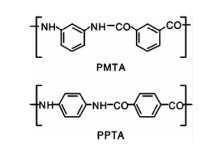
The difference in molecular structure directly impacts how the fibers perform in the real world. This isn't just a small technical detail; it's the most important factor when choosing your material. I've seen projects succeed or fail based on this one decision. Thinking about the primary stress your product will face—is it physical force or extreme temperature? Answering that question will almost always point you to the right type of aramid. Let’s look at where each type truly shines.
Para-Aramid: The Strength Champion
Para-aramid is the material you choose when you need maximum strength with minimum weight. Its tightly packed, straight-chain molecules are extremely difficult to pull apart. This is why it was first developed for ballistic applications12 like bulletproof vests. Today, its uses have expanded greatly. We supply para-aramid9 fibers to companies that reinforce tires, rubber hoses, and fiber optic cables. In the aerospace and high-performance automotive industries, it's used to create composite parts that are stronger and lighter than metal. The core benefit is always its incredible strength-to-weight ratio.
Meta-Aramid: The Guardian Against Heat
Meta-aramid is your go-to fiber when heat is the enemy. Its kinked molecular structure gives it fantastic thermal stability. It doesn't melt or drip when exposed to flames; it just chars and thickens. This property is life-saving. That's why it is the standard material for firefighter turnout gear13 and protective clothing for industrial workers near furnaces or electrical hazards. We also see it used for electrical insulation in motors and for hot gas filtration bags in industrial plants. Its main job is to protect people and equipment from extreme heat. There is a third type, a copolyamide, which offers a mix of properties, but its high cost keeps it from being used in most applications.
Who Are the Major Players in the Aramid Fiber Market?
Sourcing high-performance materials can be a big challenge. You need a reliable supplier who can provide consistent, proven quality. So, where do the world's aramid fibers actually come from?
Historically, DuPont8 from the USA and Teijin11 from Japan have dominated the aramid market. Now, several strong competitors from China and South Korea, like Tayho14, Sinopec Yizheng15, and Kolon, have emerged. This has increased global production and created a more competitive landscape.
This shift in the market is great news for customers. For many years, there were only a couple of options, which kept prices high. Now, with more manufacturers, including our own company, there is more innovation and better pricing. As someone who has been in this industry for a long time, I've seen this evolution firsthand. It has pushed all of us to improve our quality and efficiency. This healthy competition means you, the customer, get better products and more choices.
The Pioneers and the New Wave
DuPont8 and Teijin11 were the pioneers. They set the standards for quality and performance with their well-known brands. We all respect the work they did to build this industry. However, the market has changed. A new wave of manufacturers has invested heavily in research, development, and modern production facilities. This has not only increased the global supply but also introduced new ideas and approaches. Companies like ours focus on providing certified, high-quality aramid fibers that meet rigorous international standards like AS9100D and EN45545, offering a reliable alternative for our clients worldwide.
| Company | Country | Key Aramid Products |
|---|---|---|
| DuPont8 | USA | Para-aramid (Kevlar®6), Meta-aramid (Nomex®7) |
| Teijin11 | Japan | Para-aramid (Twaron®), Meta-aramid (Teijin11conex®) |
| Kolon Industries16 | South Korea | Para-aramid (Heracron®) |
| Tayho14 | China | Para-aramid (Taparan®), Meta-aramid (Newstar®) |
| Sinopec Yizheng15 | China | Para-aramid (YILON®) |
How Are Lower Costs Expanding Aramid Fiber Applications?
Do you think aramid is too expensive for your project? High costs have limited its use in the past. But what if this incredible material is now well within your budget?
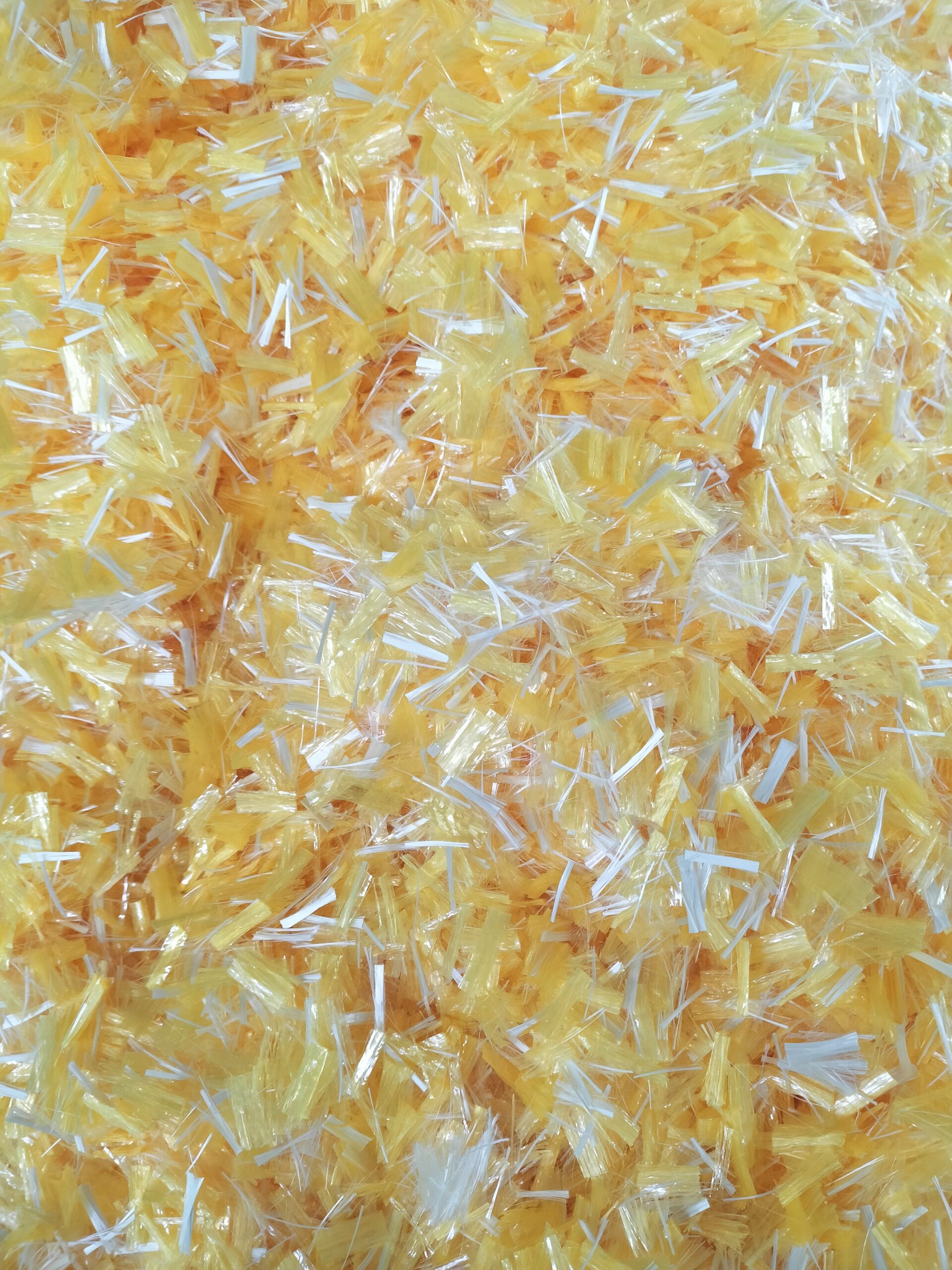
As global production capacity for aramid fiber increases, manufacturing costs are coming down. This makes aramid a viable option for more cost-sensitive industries. We are now seeing it used in applications like civil engineering17 for reinforcing asphalt and concrete.
This is one of the most exciting developments in our industry. For decades, aramid was seen as a "specialty" material, reserved only for aerospace or military applications where cost was not the primary concern. Now, that is changing completely. The increased competition and larger scale of production have made aramid fibers more affordable than ever. This opens up a whole new world of possibilities for engineers and designers in many different fields. It allows them to solve old problems in new, more effective ways.
From Aerospace to Asphalt
The perfect example of this shift is in civil engineering17. I recently worked with a company on a road-building project. They were looking for a way to make their asphalt last longer and resist cracking from heavy traffic and extreme weather. We showed them how adding a very small amount of our para-aramid9 short fibers into the asphalt mix could dramatically improve its durability. The fibers create a three-dimensional reinforcing network within the asphalt. This significantly reduces rutting and cracking. The initial material cost is slightly higher, but the road's lifespan is so much longer that it saves a huge amount of money on maintenance and repairs over time. The same principle applies to concrete reinforcement, where aramid can improve impact resistance and control cracking. This was simply not an affordable option ten years ago. Now, it is becoming a smart investment for public infrastructure.
What Does the Future Hold for Aramid Fibers?
Are you looking for the next big material innovation? Staying ahead of the curve is key to success. The development and application of aramid fibers are far from over; in fact, we are just getting started.
The future of aramid fibers is incredibly bright. We expect to see them in more everyday products as costs continue to fall. Ongoing research is also focused on creating hybrid fibers18 and more sustainable production methods19, opening up entirely new possibilities.

Having been in this field for over a decade, I am more excited now than ever before. The conversations I have with designers and engineers are changing. We're not just talking about replacing steel or aluminum anymore. We are now exploring completely new ideas that were once science fiction. The combination of lower costs and continuous innovation means that the only limit is our imagination. The properties of aramid are so unique that they will be a key part of building a stronger, lighter, and more efficient future.
Broader Integration and New Science
We are going to see aramid fibers move beyond their traditional markets. Think about high-performance sports equipment. We can make lighter, stronger bicycle frames, tennis rackets, and skis. In electronics, aramid can be used to create durable, lightweight casings for phones and laptops. There is also huge potential in hybrid materials. At our R&D lab, we are experimenting with combining aramid with other fibers like carbon or glass. This allows us to create custom materials with very specific properties—like the strength of aramid and the stiffness of carbon—at a more accessible price point. Sustainability is also a major focus. The industry is working hard on developing greener production processes and effective recycling methods. Our goal is to make these amazing materials not just high-performance, but also responsible and accessible for everyone.
Conclusion
Aramid fibers1 are more than just specialty materials. They are becoming essential for innovation across many industries. Understanding them is key to building the better, stronger products of tomorrow.
Explore the unique properties of aramid fibers and how they can be applied in various industries for innovative solutions. ↩
Learn about the uses of high-performance synthetic fibers and why they are crucial in modern engineering and design. ↩
Discover the science behind the extreme strength of aramid fibers and their applications in demanding environments. ↩
Understand the heat resistance properties of aramid fibers and their importance in protective gear and industrial applications. ↩
Find out how aramid fibers combine low weight with high strength, making them ideal for aerospace and automotive industries. ↩
Explore the applications of Kevlar®, a well-known para-aramid fiber, in various industries for its strength and durability. ↩
Learn about Nomex®, a meta-aramid fiber, and its critical role in heat and flame-resistant applications. ↩
Explore DuPont's contributions to the aramid fiber industry and their development of Kevlar® and Nomex®. ↩
Understand the properties of para-aramid fibers and why they are chosen for high-strength applications. ↩
Discover the properties of meta-aramid fibers and their significance in heat-resistant applications. ↩
Learn about Teijin's role in the aramid fiber market and their products like Twaron® and Teijinconex®. ↩
Understand the use of aramid fibers in ballistic applications like bulletproof vests for their strength and protection. ↩
Learn why meta-aramid fibers are essential in firefighter gear for their heat and flame resistance. ↩
Find out about Tayho's aramid products and their impact on the global market. ↩
Explore Sinopec Yizheng's contributions to the aramid fiber industry and their product offerings. ↩
Discover Kolon Industries' contributions to the aramid fiber market and their product offerings. ↩
Explore the innovative use of aramid fibers in civil engineering for reinforcing materials like asphalt and concrete. ↩
Learn about the development of hybrid fibers combining aramid with other materials for enhanced properties. ↩
Understand the efforts towards sustainable production of aramid fibers and their environmental impact. ↩