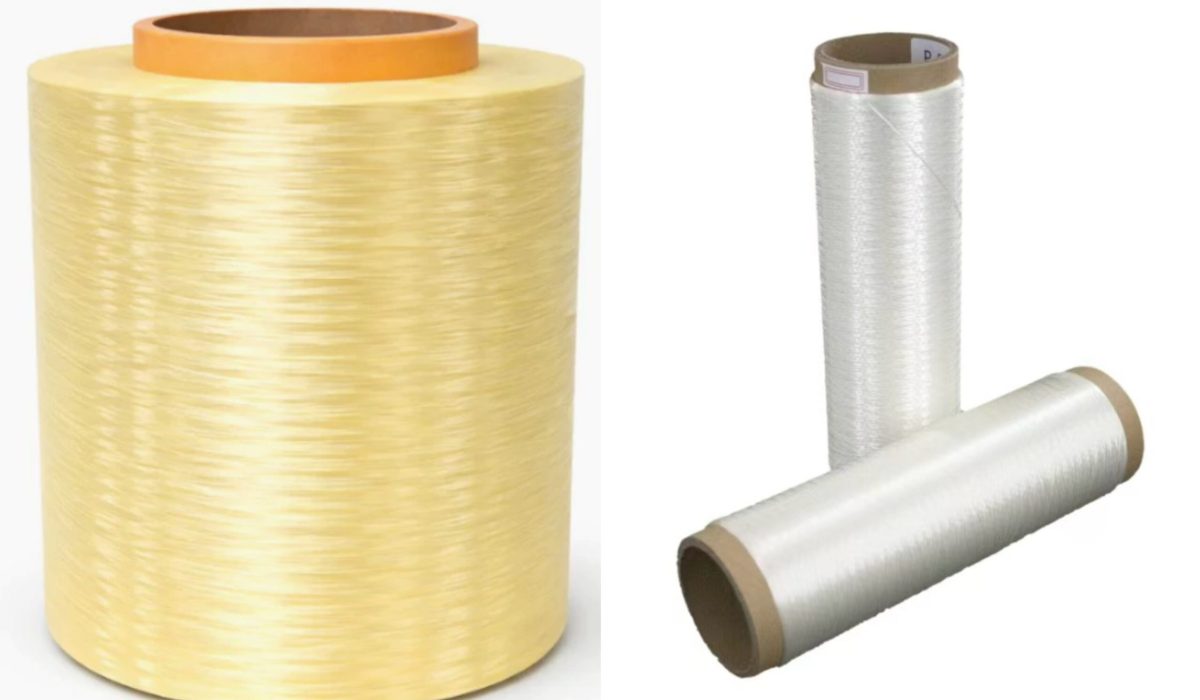
Aramid Fiber and Alumina Fiber(https://aluminafibers.com) often get compared because both enable extreme performance under harsh conditions. The problem is that they are fundamentally different: one behaves like a tough, organic rope; the other like a rigid, ceramic shield. If you mix them up, you risk mis‑specifying materials and failing tests. Here is how to choose with confidence.
Aramid Fiber and Alumina Fiber differ at the core: aramid is an organic polymer engineered for high strength, low weight, and inherent flame resistance1, while alumina fiber is an inorganic ceramic built for ultra‑high temperature stability and thermal protection.2 This leads to distinct properties, processes, and applications—from ballistic armor and optical cables (aramid) to aerospace heat shields and kiln linings (alumina).
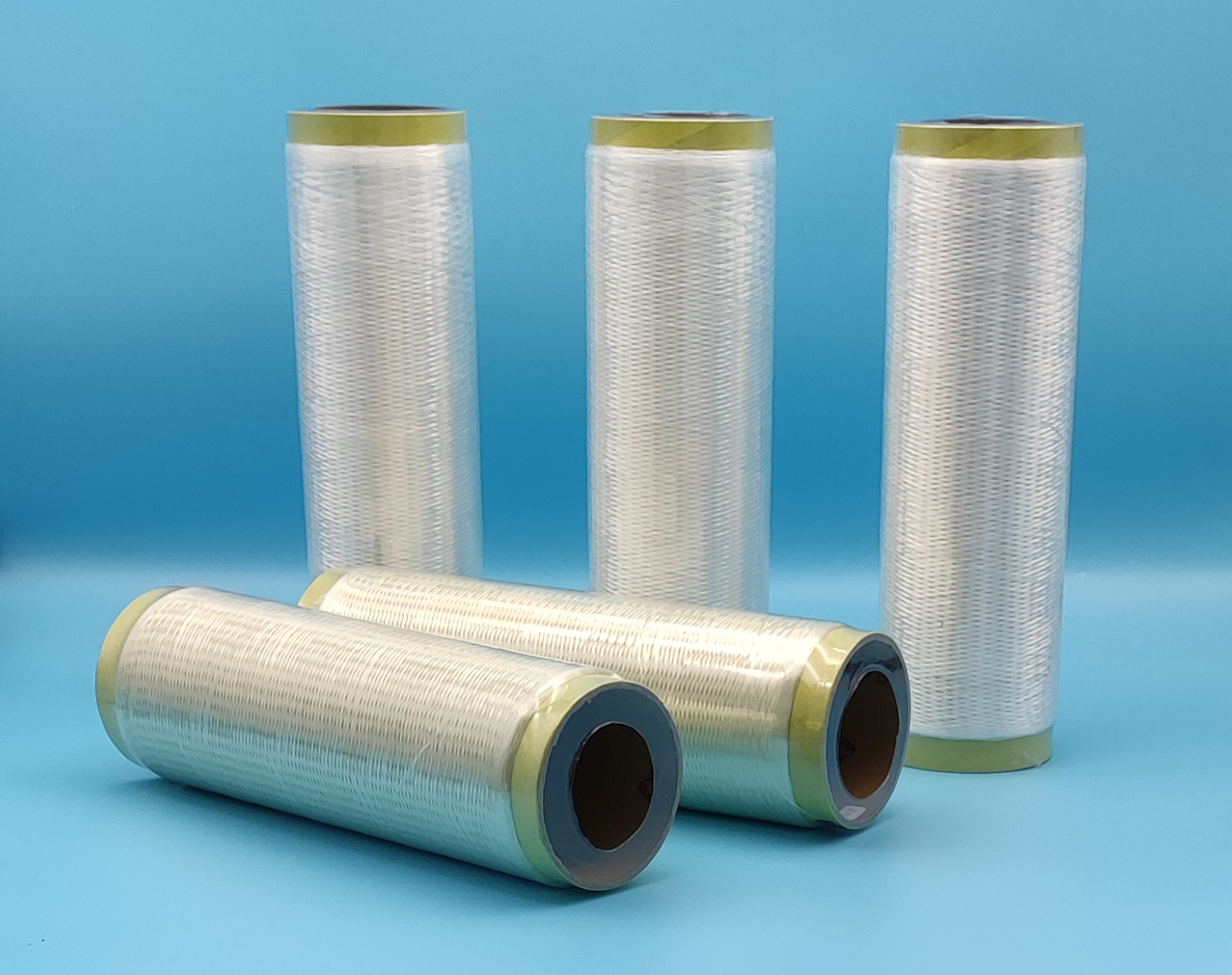
You just saw the quick answer. Now let’s unpack the details: what they are made of, how they perform mechanically and thermally, where each wins, and how procurement teams can evaluate suppliers. I will share the checklists our buyers use and the data we validate during quality control.
What are Aramid Fiber and Alumina Fiber made of at the molecular level?
We often see teams treat these fibers as interchangeable “high‑performance” reinforcements. That assumption breaks projects. The underlying chemistry drives every performance outcome: strength, temperature limit, and processing needs. Understand the molecules first, and your material choice will make sense.
Aramid Fiber and Alumina Fiber come from different worlds: aramid is a long‑chain aromatic polyamide with strong hydrogen bonding; alumina fiber is a polycrystalline ceramic (corundum or mullite) with ionic/covalent bonds. The polymer is tough and flexible; the ceramic is hard and brittle. This single difference explains their divergent use cases.
Dive deeper
Two families, two behaviors
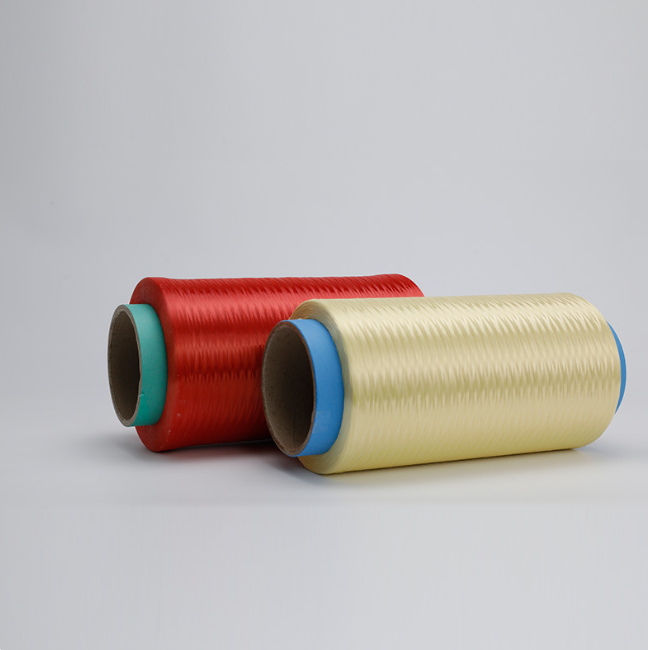
- Aramid fiber “grows” in the lab. It is an organic polymer built from benzene rings and amide bonds.
- Para‑aramid (often called 1414) has highly oriented, rod‑like chains and intense inter‑chain hydrogen bonding.3 Result: very high tensile strength and modulus with low density.
- Meta‑aramid (1313) has a different molecular orientation. Result: superior thermal stability and softness, but lower tensile strength than para‑aramid.4
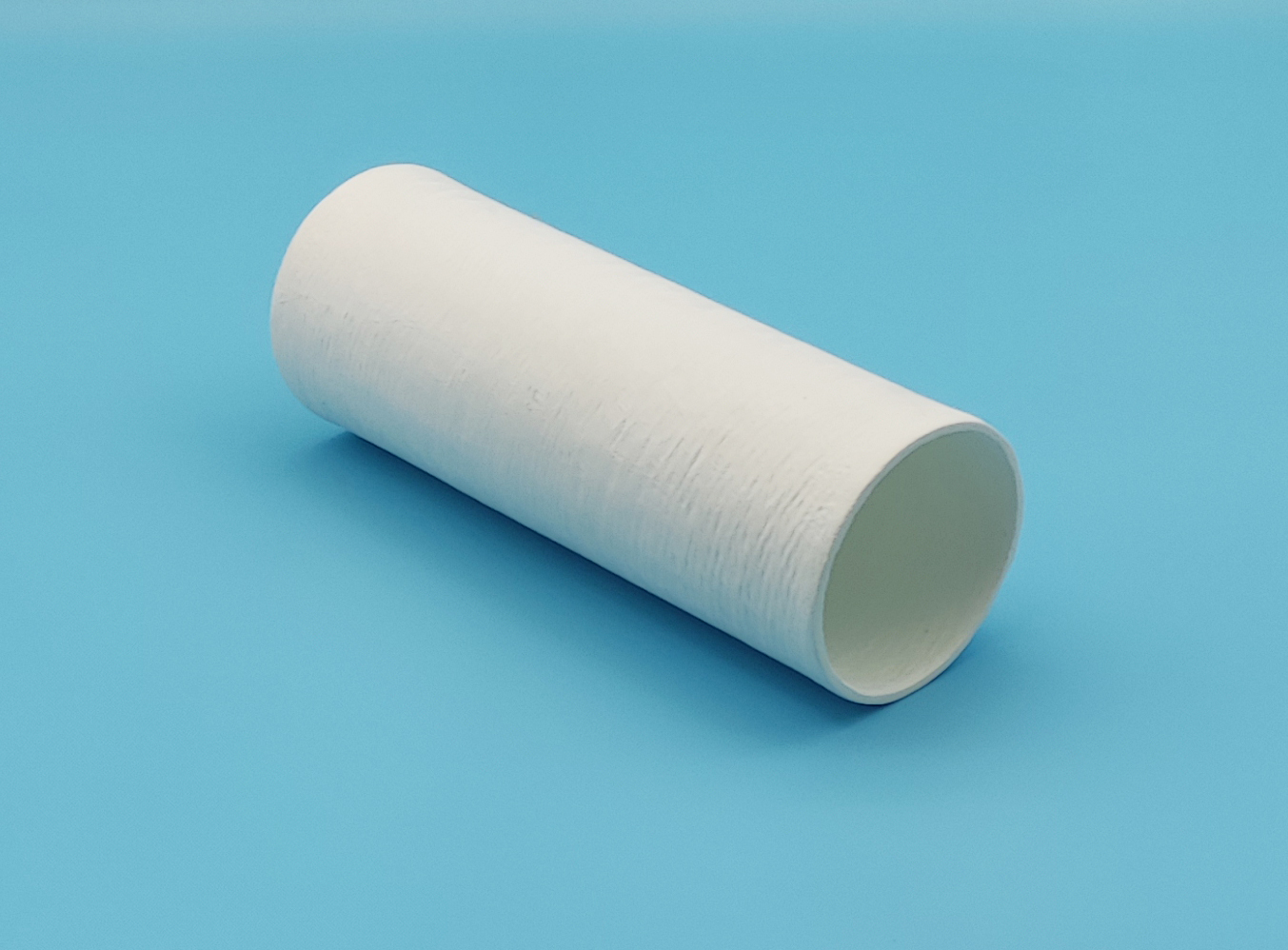
- Alumina fiber “comes from stone.” It is an inorganic ceramic consisting of aluminum and oxygen atoms.
Structural consequences
- Bonding type:
- Aramid: molecular chains with hydrogen bonding → toughness, energy absorption, flexibility.
- Alumina: ionic/covalent crystal lattice → hardness, high modulus, brittleness.
- Temperature behavior:
- Aramid: does not melt; it carbonizes and maintains integrity up to a few hundred °C, then decomposes.
- Alumina: remains solid and structurally stable well above 1,200–1,600°C; melting point of alumina is about 2,050°C.7
- Electrical and chemical character:
- Aramid: excellent dielectric; sensitive to UV and some acids; absorbs moisture modestly.
- Alumina: ceramic insulator; chemically inert in most environments; non‑hygroscopic.
When I first introduced a new para‑aramid line, our lab’s micrographs showed the hallmark fibrillated morphology that explains its toughness in ballistic layers. In contrast, our alumina fiber cross‑sections revealed equiaxed grains—beautiful, but unforgiving in bending. Seeing both side by side makes the difference obvious.
How do Aramid Fiber and Alumina Fiber compare in mechanical performance?
Designers often chase the highest tensile number on a data sheet. That can mislead. In real structures, toughness, elongation, and damage tolerance matter as much as peak strength. Choose wrong, and your part may crack or delaminate prematurely.
Aramid Fiber typically delivers higher specific strength and toughness with low density and useful elongation. Alumina Fiber offers very high modulus and compressive hardness but is brittle with low strain to failure. For impact, fatigue, and flexible reinforcements, aramid wins. For rigid, high‑modulus, high‑temperature composites, alumina can be superior.
Dive deeper
Typical published ranges (verify against supplier datasheets)
| Property | Para‑Aramid (1414) | Meta‑Aramid (1313) | Alumina Fiber (polycrystalline) |
|---|---|---|---|
| Density (g/cm³) | ~1.44 | ~1.38 | ~3.2–3.9 |
| Tensile strength (GPa) | ~3.0–3.6 | ~0.9–1.4 | ~1.5–3.0 |
| Tensile modulus (GPa) | ~70–130 | ~20–30 | ~150–380 |
| Elongation at break (%) | ~2–4 | ~15–30 | <1 |
| Flexural behavior | Tough; damage tolerant | Soft; heat‑resilient | Stiff; brittle |
| Impact/ballistic performance | Excellent (para‑aramid) | Limited | Poor to moderate |
Notes:
- Numbers vary by filament diameter, sizing, and processing. Always test your exact grade.
- Alumina fibers can reach very high modulus but crack easily in bending or weaving without careful handling and sizing chemistry.
What this means in structures
- Energy absorption:
- Para‑aramid excels in ballistic panels, ropes, and flexible composites thanks to fibrillation and high specific strength.
- Alumina fiber lacks ductility; it excels in stiff, high‑temperature laminates where rigidity and thermal stability dominate design.
- Fatigue and notch sensitivity:
- Aramid shows good fatigue resistance and tolerates cut growth better than brittle ceramics.
- Alumina fiber composites require conservative radii and careful laminate design to avoid stress concentrations.
- Compression:
- Aramid is weaker in compression than in tension and can microbuckle. Lay‑ups often combine aramid with carbon or glass to balance compression.
- Alumina fiber handles compression better at elevated temperatures, maintaining stiffness when polymers soften or pyrolyze.
In our QC, we screen aramid filament strength and modulus on every lot and check crimp and sizing for weave compatibility. For alumina, we monitor filament diameter distribution, shot content, and tensile screens, then validate strength retention after high‑temperature exposure. These steps reduce surprises during your forming and curing.
Which temperatures and fire environments can Aramid Fiber and Alumina Fiber handle?
Thermal performance is the most common mis‑specification we see. Teams sometimes select aramid for insulation far beyond 300°C, which risks shrinkage or charring. Conversely, they over‑specify ceramic fiber when light weight and moderate heat resistance would have sufficed.
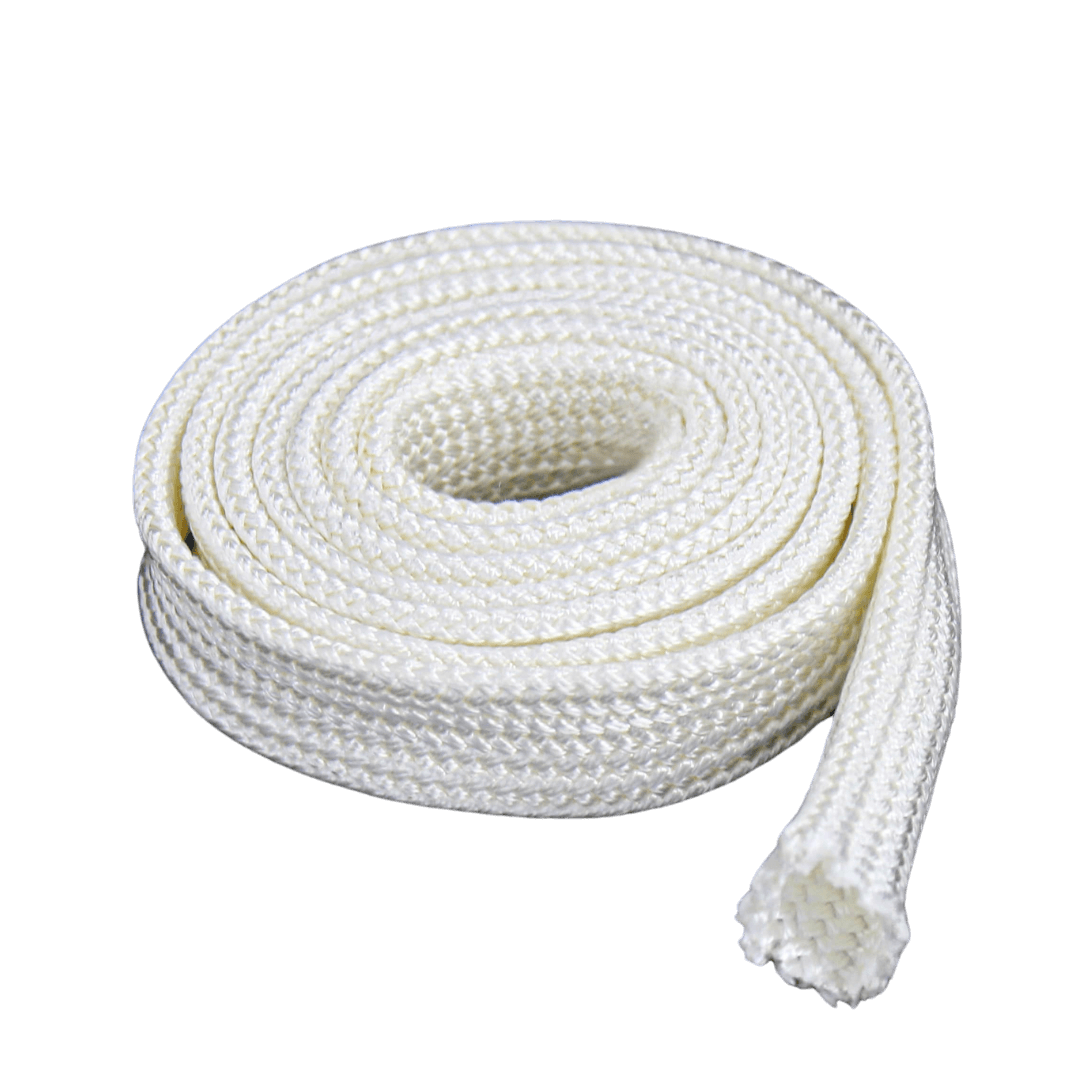
Aramid Fiber offers excellent flame resistance and continuous service around 170–220°C, with charring above ~400–500°C. Alumina Fiber is engineered for continuous service in the 1,000–1,600°C range (grade‑dependent) and remains solid up to alumina’s ~2,050°C melting point. For true high‑temperature thermal protection, alumina wins decisively.
Dive deeper
Heat and flame behavior
- Aramid:
- Inherently flame resistant; high limiting oxygen index (often ~28–30%).8
- Does not melt or drip; it chars and retains some integrity during brief flame exposure.
- Continuous service temperature commonly specified ~170–220°C (meta‑aramid at the higher end).9
- Above ~300°C, mechanical properties degrade; long exposures above ~350–400°C are not recommended for structural duties.
- Alumina:
- Non‑combustible ceramic; no charring, no melting within typical industrial temperatures.
- Continuous use temperatures vary: alumina‑mullite grades around 1,200–1,400°C; high‑purity alumina grades up to ~1,600°C in suitable atmospheres.
- Excellent oxidation resistance and dimensional stability at heat; check shrinkage and creep data at target temperatures.
Thermal conductivity and insulation
- Aramid papers and felts provide good thermal insulation at moderate temperatures due to low conductivity and low density.
- Alumina fiber blankets and needled mats provide effective insulation even at red heat. Conductivity increases with temperature, but the micro‑porous structure remains efficient for furnace linings and aerospace heat shields.
Environmental factors
- Atmosphere: Alumina fiber tolerates oxidizing environments well. Reducing or corrosive atmospheres require grade selection (e.g., mullite content) and testing.
- Thermal shock: Alumina‑mullite grades generally resist thermal shock better than pure corundum.
- Aging: Aramid can lose properties with UV exposure and hydrolysis; protect with coatings or matrix selection.
If your spec reads “spike to 900°C for 10 minutes,” that is a clear alumina fiber problem. If it reads “continuous 180°C with dielectric requirements,” that is squarely aramid territory. When in doubt, we run short dwell tests at your temperature profile to confirm shrinkage, mass loss, and retained strength.
Where should you use each fiber in real applications?
Application fit is where the chemistry becomes practical. The wrong fiber costs you on weight, durability, and cost of quality. The right fiber makes certification testing predictable.
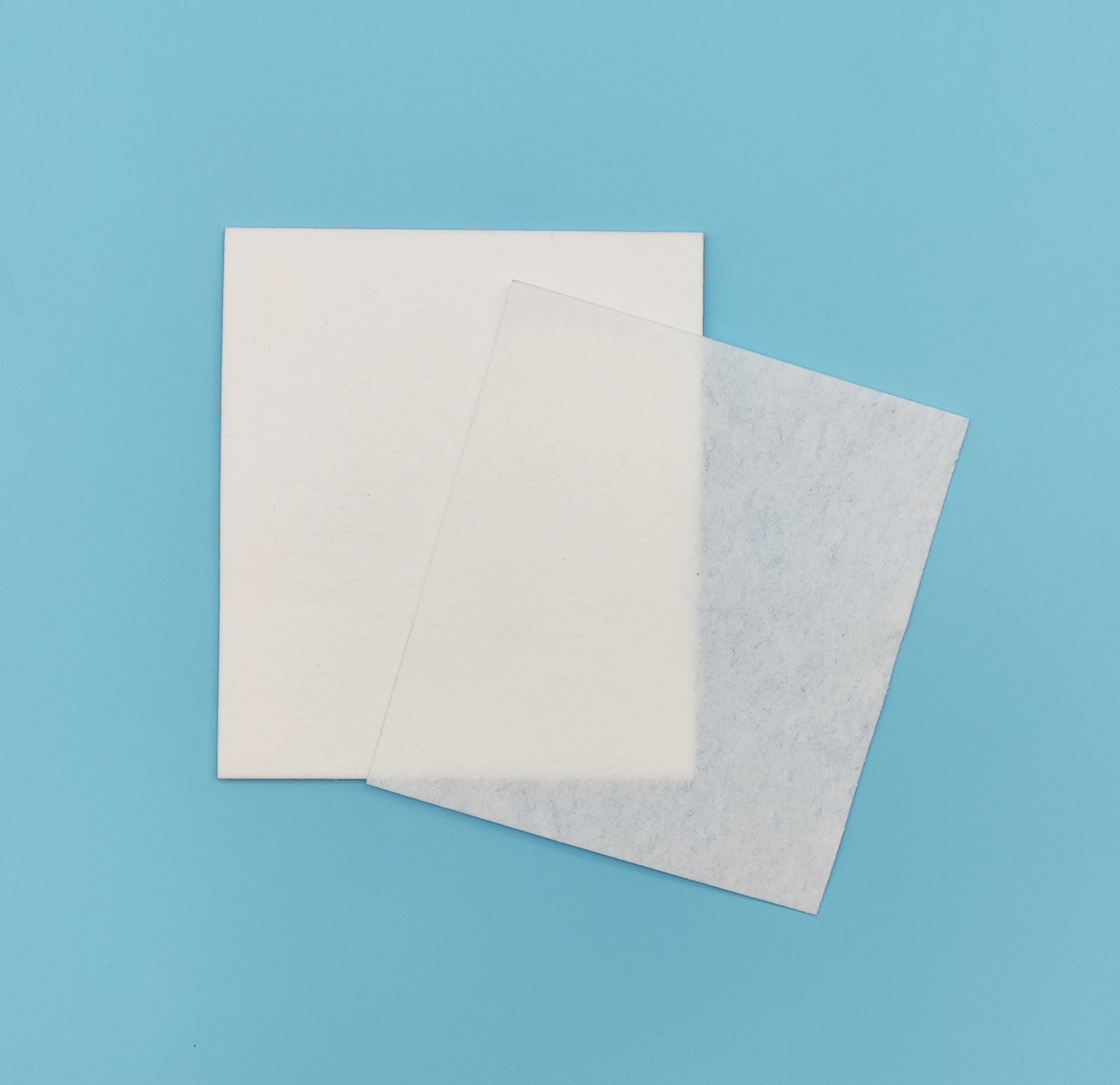
Aramid Fiber is ideal for ballistic armor, optical cable strength members, composite skins needing toughness, and rubber reinforcement. Alumina Fiber is the choice for aerospace thermal protection, rocket motor insulation, industrial kiln linings, metal melt filtration, and catalytic converter mats where high temperature dominates.
Dive deeper
Typical applications
- Aramid fiber (para‑ and meta‑):
- Ballistic protection: vests, helmets, vehicle armor.
- Optical cable strength members: dielectric, lightweight tension elements.10
- Composite reinforcement: panels needing impact tolerance, vibration damping.
- Rubber reinforcement: belts, hoses, tires requiring high strength and flexibility.
- Electrical insulation: meta‑aramid papers in motors and transformers.11
- High‑temperature filtration: meta‑aramid needle felts up to ~200°C.
- Alumina fiber:
- Aerospace thermal protection systems: leading edges, heat shields, reusable insulation tiles or blankets.
- Rocket motor and nozzle insulation: ablative or insulative lay‑ups.
- Industrial furnaces: linings, expansion joints, and high‑temperature gaskets.
- Molten metal filtration: ceramic fiber media for aluminum and other alloys.
- Automotive catalytic converter mats: resilient support at high exhaust temperatures.
Selection guide by requirement
- Choose aramid when you need:
- High specific strength at low weight.
- Impact/ballistic energy absorption.
- Electrical insulation with mechanical integrity.
- Flexible or braided tension members.
- Moderate heat resistance with flame retardancy.
- Choose alumina when you need:
- Continuous service above ~800–1,000°C.
- Dimensional stability in red‑heat environments.
- Ceramic compatibility with refractory linings and bricks.
- Resistance to oxidation with minimal creep at temperature.
Para‑aramid vs meta‑aramid within the aramid family
- Para‑aramid (1414): “strength first.” Use for armor, high‑performance ropes, tension elements, composite skins needing high tensile.
- Meta‑aramid (1313): “thermal protection first.” Use for firefighter gear, dielectric papers, and hot‑gas filters where softness and heat resistance are key.
A quick anecdote: a customer once specified “ceramic fiber” for a 180°C motor slot liner. We supplied meta‑aramid paper instead, cut mass by half, and passed dielectric tests with margin. Conversely, we replaced a “high‑temp aramid” in a catalytic converter application with alumina‑mullite mat and eliminated mat sintering after 1,000°C dwell. Right fiber, right job.
How should buyers evaluate suppliers of Aramid Fiber and Alumina Fiber?
On paper, many fibers look similar. In production, small differences in polymerization, filament diameter, sizing chemistry, and phase purity show up as scrap, inconsistent performance, or failed audits. A structured supplier evaluation avoids expensive surprises.
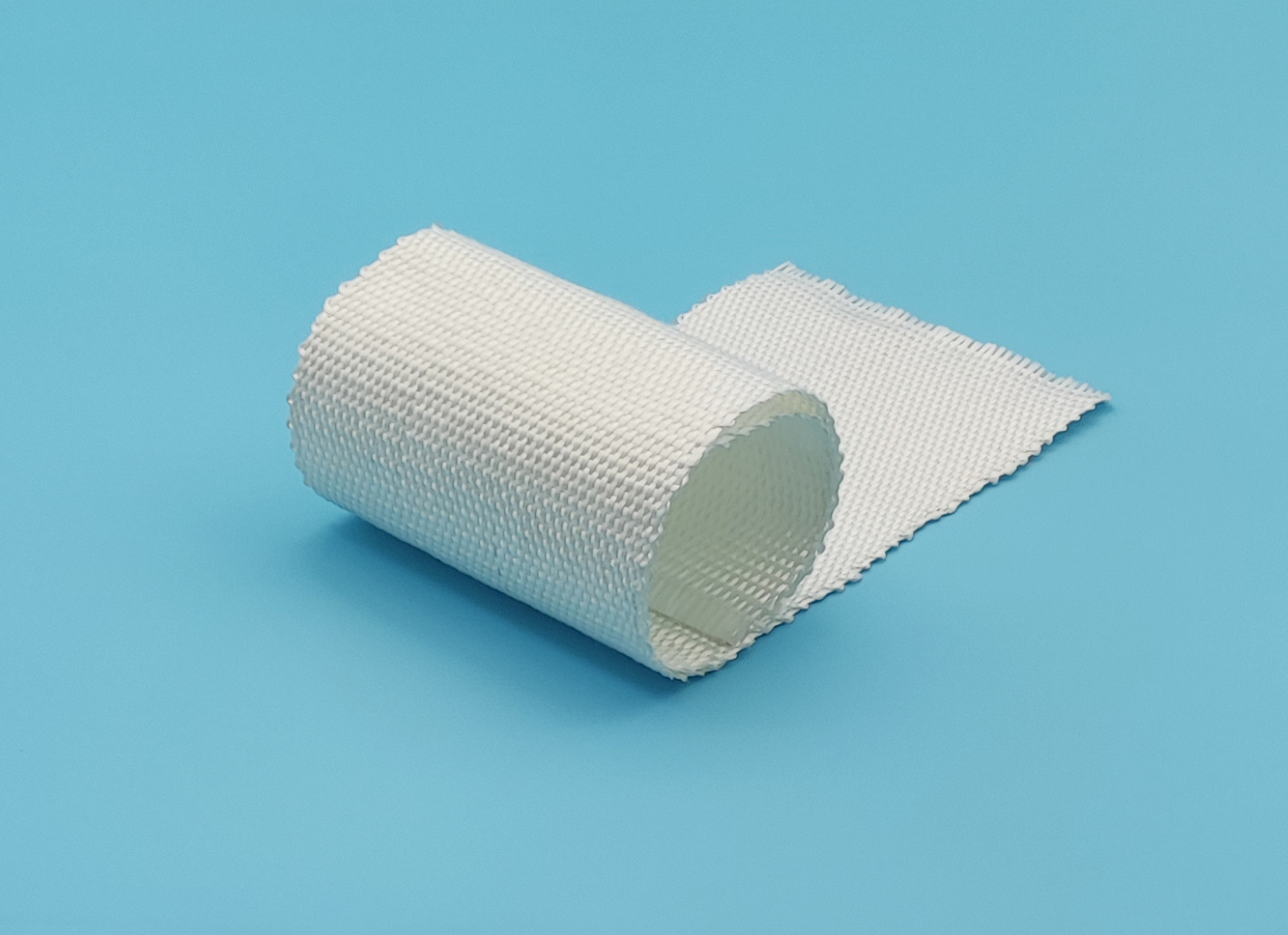
Evaluate Aramid Fiber and Alumina Fiber suppliers on process control (from polymerization or precursor to final fiber), certification and traceability, measurable QC data (lot‑to‑lot), and application‑specific support. Verify ISO9001 and, for aerospace, AS9100D. Request test reports for your operating window, not just catalog values.
Dive deeper
Process and traceability
- Aramid:
- Polymerization control: intrinsic viscosity, impurity profile, and molecular weight distribution.
- Spinning consistency: filament count, denier, orientation, and crystallinity.
- Surface treatment: sizing chemistry compatibility with your resin (epoxy, phenolic, elastomer).
- Alumina:
- Precursor chemistry: purity of Al₂O₃ (and SiO₂ for mullite grades).
- Fiber formation: diameter distribution, shot/defect content, and grain size after firing.
- Phase control: corundum vs mullite ratio; crystallinity measured by XRD.
Ask for:
- Certificates: ISO 9001 for quality systems, AS9100D for aerospace (verify documents and scope).
- Traceability: lot coding from raw materials through finished goods.
- CoA/CoC per lot: tensile screens, modulus, diameter, LOI (aramid), high‑temperature shrinkage and strength retention (alumina).
- Stability data: exposure tests at your target temperatures and atmospheres.
- Sizing/matrix compatibility: wet‑out behavior, contact angle, and interfacial shear test data.
Quality control checkpoints we recommend
- For aramid:
- Tensile/modulus screening of filaments and tows.
- Moisture content and finish pick‑up.
- UV stability testing if outdoor exposure is expected.
- Dielectric strength for papers and tapes.
- For alumina:
- Dimensional stability (linear shrinkage) at 1,000–1,400°C.
- Creep and mass change at temperature under load.
- Thermal shock resistance (quench tests).
- Microstructure validation (SEM, grain size) and shot fraction.
Logistics and application support
- Packaging: moisture control for aramid; fragile handling and edge protection for alumina.
- Processing guidance: recommended weaving tensions (aramid) and forming speeds; preform handling guidelines (alumina) to avoid filament damage.
- Documentation: PPAP or FAIR where relevant, REACH/RoHS declarations, and export classifications.
As a full value‑chain manufacturer—from polymerization to fiber spinning and finishing for aramid, and from ceramic precursors to fired alumina fiber—we build these checks into our routine. We export globally and operate under ISO9001 and AS9100D. Please verify our certifications during your vendor qualification; we welcome audits and sample evaluations.
Frequently Asked Questions
Is aramid fiber a type of ceramic?
No. Aramid fiber is an organic polymer (aromatic polyamide). It is tough, lightweight, and inherently flame resistant, but it is not a ceramic. Alumina fiber is the ceramic option, built from aluminum oxide crystals and designed for ultra‑high temperature environments.
Can aramid replace alumina fiber for high‑temperature insulation?
Not for sustained red‑heat service. Aramid handles continuous temperatures around 170–220°C and short‑term exposure higher. Alumina fiber is designed for 1,000–1,600°C continuous use (grade‑dependent). For true high‑temperature insulation, choose alumina and validate with thermal exposure tests.
How do para‑aramid and meta‑aramid differ in practice?
Para‑aramid prioritizes strength and modulus, making it ideal for ballistic armor, ropes, and high‑tension composites. Meta‑aramid prioritizes thermal protection and softness, making it ideal for protective clothing, electrical insulation papers, and hot‑gas filtration. Select based on the dominant requirement.
Are alumina fibers too brittle to weave or process?
They are brittle compared to organics, but with proper sizing, controlled tension, and appropriate weaving/lay‑up methods, they can be processed into fabrics, tapes, and preforms. Work with your supplier for handling guidelines and expect tighter process windows than with aramid.
What testing should I request before qualification?
Request lot‑specific tensile/modulus data, diameter distribution, and finish chemistry (aramid). For alumina, add high‑temperature shrinkage, strength retention after dwell, and microstructure checks. Always run application‑specific coupons at your target temperature, environment, and load case.
Conclusion
The key differences between Aramid Fiber and Alumina Fiber trace back to chemistry: a tough, organic polymer versus a rigid, inorganic ceramic. Aramid delivers high specific strength, impact tolerance, and dielectric performance at moderate temperatures; alumina delivers stiffness and stability in extreme heat. If you need help mapping requirements to the right fiber, contact us for samples, datasheets, and a rapid engineering review—our team manufactures both and supports global qualifications.
"Aramid", https://en.wikipedia.org/wiki/Aramid. A general reference on aramid fibers characterizes them as aromatic polyamides (aramids) noted for high strength-to-weight ratios and inherent flame resistance, supporting the description of aramid as a lightweight, high-strength, flame-resistant organic polymer. Evidence role: definition; source type: encyclopedia. Supports: Aramid fibers are aromatic polyamides known for high strength-to-weight ratios and inherent flame resistance.. Scope note: Specific performance values vary by para- vs meta-aramid grade and processing. ↩
"A New Microstructural Concept and Water-Free Manufacturing ...", https://pmc.ncbi.nlm.nih.gov/articles/PMC12430160/. Educational materials on refractory ceramics describe alumina as a high‑melting, thermally stable ceramic used in high‑temperature insulation and protection, consistent with the characterization of alumina fiber as an inorganic ceramic for thermal protection. Evidence role: general_support; source type: education. Supports: Alumina ceramics (and alumina-based fibers) are used in high-temperature applications for thermal stability and insulation.. Scope note: Many overviews discuss bulk alumina and refractory fibers generally; fiber‑specific performance depends on processing and grade. ↩
"High strength films from oriented, hydrogen-bonded “graphamid” 2D ...", https://pmc.ncbi.nlm.nih.gov/articles/PMC5829261/. Polymer structure studies of poly(p‑phenylene terephthalamide) report rod‑like molecular backbones with extensive interchain hydrogen bonding, which helps explain the high stiffness and tensile strength of para‑aramid fibers. Evidence role: mechanism; source type: research. Supports: Poly(p‑phenylene terephthalamide) has rod‑like chains and strong interchain hydrogen bonding associated with its high modulus and strength.. Scope note: Reported morphology pertains primarily to crystalline regions; actual morphology depends on processing and includes amorphous content. ↩
"Para vs. Meta Aramid", https://www.rocket-fibers.com/blogs/fiber-resources/meta-aramid-vs-para-aramid-fiber?srsltid=AfmBOoquqETgpESh_j-QwmJwIO3NIEMMobfgPHqndxGA3Xtr928oNnWQ. Reference summaries distinguish meta‑aramids used for thermal protection (e.g., heat‑resistant applications) from para‑aramids used for high tensile applications, supporting the statement that meta‑aramids have lower tensile strength but superior thermal suitability compared with para‑aramids. Evidence role: general_support; source type: encyclopedia. Supports: Meta‑aramids are used for thermal protection and have lower tensile strength than para‑aramids, which prioritize mechanical strength.. Scope note: Comparisons are often illustrated with well‑known commercial examples and may not capture all grades. ↩
"TEM Study of the Microstructure of an Alumina/Al Composite Prepared by ...", https://pmc.ncbi.nlm.nih.gov/articles/PMC9457870/. Materials characterization studies of high‑purity alumina fibers describe microstructures dominated by α‑Al2O3 (corundum) grains, supporting the claim that such fibers form corundum microstructures. Evidence role: mechanism; source type: research. Supports: High‑purity polycrystalline alumina fibers are reported to consist predominantly of α‑Al2O3 (corundum) grains.. Scope note: Phase composition can vary with firing schedule and dopants; some products may include transitional alumina phases. ↩
"The High Temperature Creep Behavior of Oxides and Oxide Fibers", https://ntrs.nasa.gov/api/citations/19910010928/downloads/19910010928.pdf. Ceramics literature reports that mullite (3Al2O3·2SiO2) in alumina‑silica composites and fibers contributes to enhanced thermal shock resistance and high‑temperature dimensional stability compared with pure corundum, supporting the stated benefit of alumina‑mullite grades. Evidence role: mechanism; source type: research. Supports: Mullite phases in alumina‑silica systems are associated with improved thermal shock resistance and high‑temperature creep behavior relative to pure alumina.. Scope note: Improvements depend on composition, microstructure, and service environment; not all alumina‑mullite products perform identically. ↩
"Aluminium oxide", https://en.wikipedia.org/wiki/Aluminium_oxide. Authoritative references list the melting point of α‑Al2O3 (corundum) near 2072°C, substantiating the claim that alumina melts at about 2,050°C. Evidence role: statistic; source type: encyclopedia. Supports: The melting point of aluminium oxide (corundum) is reported around 2072°C.. Scope note: Reported values can vary slightly with purity and measurement conditions. ↩
"Kevlar® Aramid Fiber Technical Guide", https://ptacts.uspto.gov/ptacts/public-informations/petitions/1558158/download-documents?artifactId=YTlZrZflcAC1Z-3N0yDZiQXsDhAowO9339b4juEi3akuz8feeYWiOg8. Reference summaries for well‑known aramids report limiting oxygen indices near 28–30%, supporting the statement that aramid fibers exhibit high LOI values indicative of flame resistance. Evidence role: statistic; source type: encyclopedia. Supports: Meta- and para-aramid materials are reported with LOI values around the upper 20s, indicating inherent flame resistance.. Scope note: Exact LOI depends on grade, product form, and test standard. ↩
"Nomex", https://en.wikipedia.org/wiki/Nomex. General references cite meta‑aramid materials as suitable for continuous service around 200°C, supporting the indicated 170–220°C range and the note that meta‑aramids occupy the higher end of that range. Evidence role: general_support; source type: encyclopedia. Supports: Meta‑aramids are commonly cited as suitable for continuous service near 200°C, higher than typical para‑aramid thermal service limits.. Scope note: Service limits depend on environment, load, and insulation design; ranges are indicative rather than universal. ↩
"Fiber-optic cable", https://en.wikipedia.org/wiki/Fiber-optic_cable. Cable overviews describe aramid yarns used as non‑conductive strength members in optical fiber cables, supporting the stated application. Evidence role: general_support; source type: encyclopedia. Supports: Optical fiber cable descriptions list aramid yarns as common dielectric strength members.. Scope note: Cable designs vary; not all optical cables use aramid strength members. ↩
"DuPont™ Nomex® 410 - National Energy Technology Laboratory", https://netl.doe.gov/projects/files/DuPontNomex410Datasheet_113023.pdf. Reference sources note the use of meta‑aramid paper as an electrical insulating material in electric motors and transformers, corroborating the stated application. Evidence role: case_reference; source type: encyclopedia. Supports: Meta‑aramid papers are documented as insulation materials in motors and transformers.. Scope note: Specific performance and qualification depend on product grade and industry standards. ↩