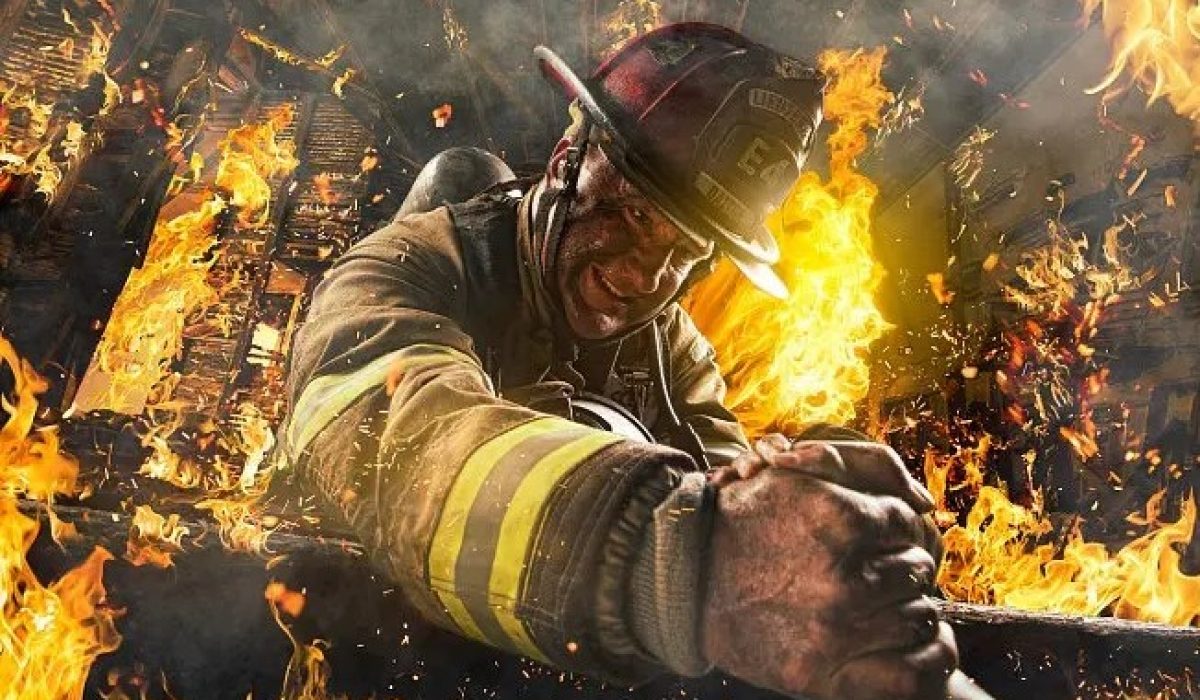
Nomex shows up whenever someone says, “I need fabric that won’t catch fire.” The problem is confusion: does it burn or not? That uncertainty risks bad specs and unsafe gear. The good news: Nomex is a meta-aramid that resists flames and self-extinguishes. I’ll explain what that means in real use.
Nomex does not burn the way common plastics or cotton do. It is an inherently flame-resistant meta-aramid. It does not melt or drip; it chars and self‑extinguishes once you remove the flame. Under extreme heat and oxygen, it will carbonize and degrade, but it is not “fireproof.” Always match grade to your application.
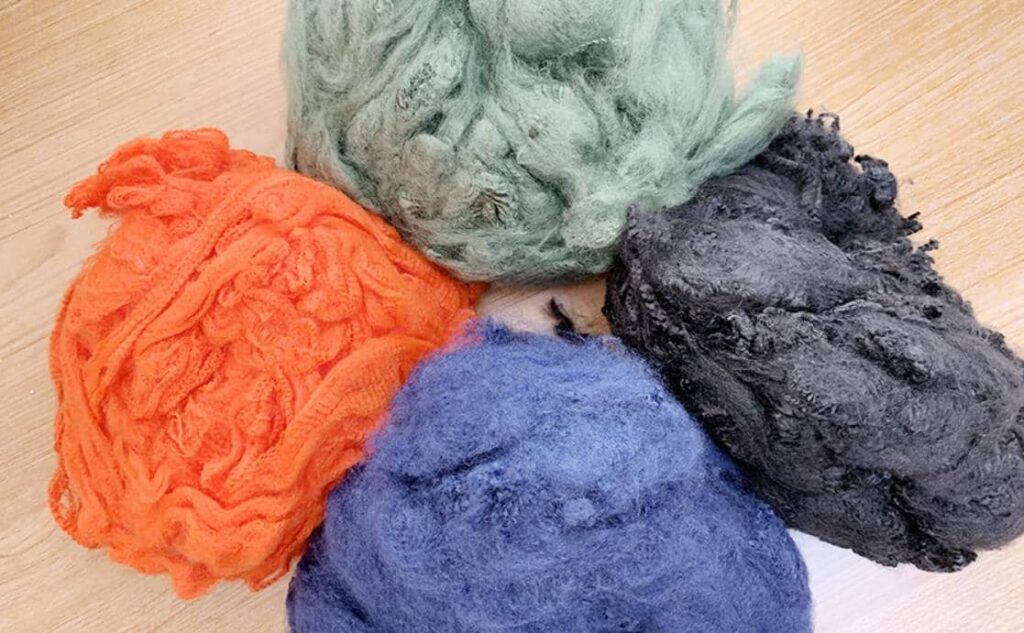
You now have the short answer. But how does the chemistry make Nomex behave this way, and what happens in real-world fires? If you’re buying fabric, paper, or honeycomb, a little nuance can save you money and reduce risk.
What makes Nomex resist flames?
We want gear that will not fuel a fire. The worry is that many textiles melt, drip, and spread flames. Nomex solves this at the polymer level. Its aromatic, meta-aramid backbone gives it inherent flame resistance, so you do not rely on a wash-off finish.
Nomex resists ignition because its polymer chain is packed with aromatic rings and amide bonds. It has a high limiting oxygen index (around 28–30%), forms a protective char, and will self‑extinguish when the ignition source is removed. It will not melt or drip, which limits secondary burns and flame spread.
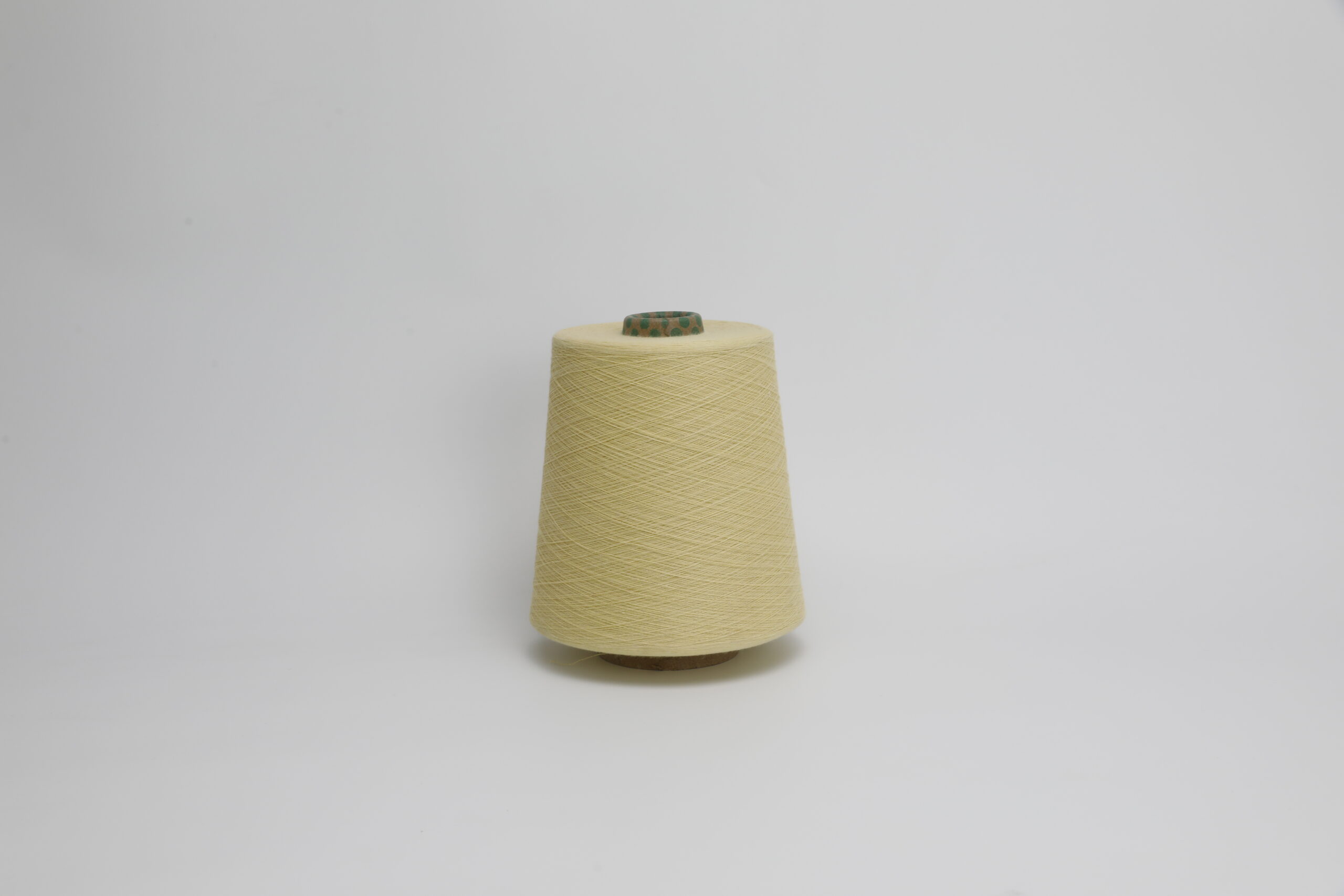
Dive deeper
- Inherent FR: Nomex is a meta-aramid. The chemistry builds flame resistance into the fiber itself. You do not need topical FR treatments, so performance stays consistent over the life of the product.
- Oxygen index (LOI): Materials with LOI above ~26% are generally self‑extinguishing in air. Nomex typically sits near 28–30%, which is why it “goes out” once you pull the flame away.
- Char formation: Instead of melting, Nomex forms a stable, insulating char layer. That char slows heat transfer to what is underneath, whether that is a worker’s skin or a composite laminate.
- Heat behavior: Nomex maintains integrity in continuous service around 200–250°C and tolerates short excursions much higher. It will not melt like polypropylene or nylon. It will gradually embrittle and carbonize as temperatures climb.
I have watched a vertical flame test where the sample flashed, charred, and then simply went dark as soon as the burner stopped. No dripping. No afterflame. That is “离火即灭” in action.
Will Nomex burn in real-life use?
You need to know how it behaves in a factory fire, on the tarmac, or inside a cowl. The fear is assuming “fireproof” and specifying the wrong grade. The reality: Nomex resists burning and self‑extinguishes, but it still has limits under intense heat and oxygen.
In practice, Nomex buys precious seconds. It will resist ignition, self‑extinguish, and limit heat transfer via char. However, in a flashover, extended direct flame, or oxygen‑enriched environments, Nomex will carbonize and lose strength. Choose the right construction, basis weight, and laminate to meet your standard.

Dive deeper
- Test methods: For garments, buyers often cite ASTM D6413 (vertical flame) and standards like NFPA 2112 or EN ISO 15025 for flame spread. For insulation papers and laminates, UL 94 ratings and electrical thermal classes apply. For honeycomb cores used in aerospace, look at FAR 25.853 flammability and heat release/smoke density.
- Construction matters: A heavier Nomex fabric or denser Nomex paper will char thicker and protect better. Blends (e.g., with para-aramid) can enhance strength at temperature. For composites, resin choice and facing materials drive fire, smoke, and toxicity (FST) performance.
- Environment: In oxygen-rich or forced-draft conditions, any organic polymer degrades faster. Nomex is no exception. Do not assume a lab result equals field behavior; build safety margins.
- Application tips: Specify measured properties (afterflame time, afterglow, char length, LOI, smoke density) rather than vague “FR.” Verify with current third‑party reports tied to your lot.
I always advise customers to run small-scale tests with their exact construction—fabric weight, stitch, coating, or honeycomb layup—before locking a spec.
Frequently Asked Questions
Is Nomex the same as meta-aramid?
Nomex is a well-known brand of meta-aramid. Meta-aramid is the generic fiber family with inherent flame resistance. We produce meta-aramid fibers and related products across the full chain, from polymerization to finished materials.
Does Nomex melt or drip?
No. Nomex does not melt or drip. It forms a char when exposed to flame and self‑extinguishes once you remove the heat source. That behavior reduces secondary burns and flame spread compared to many thermoplastics.
What tests should I request from a supplier?
Ask for recent ASTM D6413 results (afterflame, afterglow, char length), LOI data, and application-specific standards (e.g., NFPA 2112, EN ISO 15025, UL 94, FAR 25.853). Verify certifications and make sure reports are tied to the production lot you will receive.
Is Nomex honeycomb fire safe for aircraft?
Nomex honeycomb can meet stringent FST and flammability requirements when paired with qualified resins and skins. Always validate to FAR 25.853 and relevant OEM specs. Request full test data for the exact core density and layup you plan to use.
Can I rely on certifications alone?
Treat certifications like ISO9001 or AS9100D as entry tickets. They signal process control, not application fitness. Always run your own qualification tests or engage a qualified engineer for your specific use case.
Conclusion
Nomex resists burning because it is an inherently flame‑resistant meta‑aramid that self‑extinguishes and chars instead of melting. It is not “fireproof,” but specified correctly, it buys time and reduces risk. If you need meta‑aramid fibers, Nomex‑type papers, or aramid honeycomb, contact me for data sheets, samples, and current test reports. We export globally and maintain ISO9001 and AS9100D—please verify documents during your supplier evaluation.