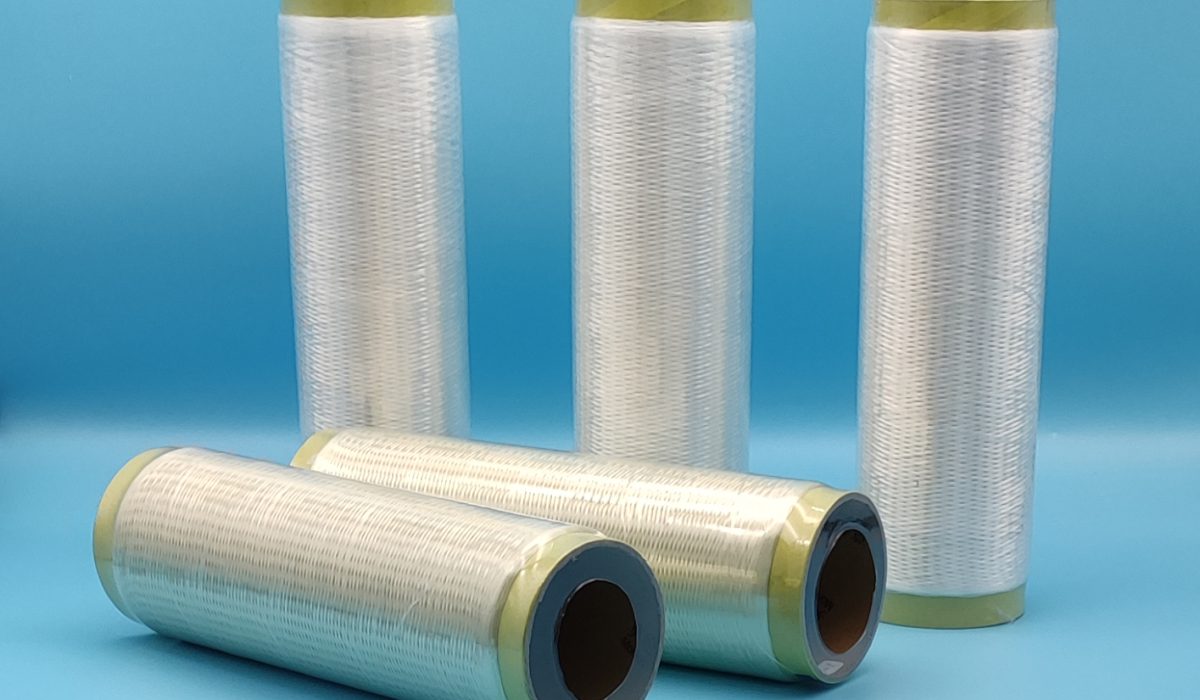
The limited supply and narrow range of applications for continuous alumina fibers have made many engineering teams hesitant. Long lead times and high prices, coupled with concerns about batch-to-batch variability, add to the hesitation. Our solution is simple: first lock in the specifications, then simultaneously verify the suppliers’ qualifications, production capacity, and consistency. I’ve condensed the key points and a supplier map into this article to help you implement this quickly.
How to select continuous alumina fibers? First, match the temperature and strength requirements (e.g., long-term use at ≥1100–1200°C, Al₂O₃ content >70%), then verify supply capacity (typically 50–200 metric tons/year), certifications, and batch data; I recommend a dual-source strategy: 3M, NITIVY, Zhuhai Morlion, Vulcan Shield Global, Sumitomo (Japan), Roth Group, etc. Conduct actual tests and comparisons using samples of the same specifications.
Want to finalize your decision faster? Below, I’ll outline the process in the order of “needs first, supply next, and verification last.” This is ideal for small teams and procurement colleagues working on projects such as aerospace thermal insulation, CMC reinforcement, and high-temperature-resistant composite parts.
Who are the reliable suppliers of continuous alumina fibers?
With scattered information and few manufacturers, mismatches are common. It’s most frustrating when projects get stalled due to small trial batches or long lead times. I typically start by compiling a global list, then simultaneously request samples, gather data, and secure production capacity windows by region and availability.
Currently, commonly used suppliers include: 3M, NITIVY (Japan), Zhuhai Morlion, Vulcan Shield Global, Sumitomo (Japan), Roth Group (Europe), and Shanghai Rongrong. Annual production capacity generally ranges from 50 to 200 metric tons. It is necessary to secure production capacity in advance and sign quality agreements and batch data packages.
North America:3M—Consistent grades, established aerospace supply chain, relatively high unit price
Japan: NITIVY, Sumitomo—Good uniformity, flexible for small batches
China:Zhuhai Morlion—Fast delivery, supports customization, high cost effective.
Europe: Roth Group—Close to local composite supply chains, short logistics routes
Note: The above is a summary of publicly available industry information and my project experience. Please obtain the latest versions of all certifications and data directly from manufacturers and verify the originals.
What Key Metrics Should You Consider When Procuring Continuous Alumina Fibers?
Grade names may seem similar, but the details determine success or failure. Neglecting key parameters will lead to pitfalls in subsequent prepreg, weaving, and heat treatment processes. I recommend evaluating “performance, process, and supply” as a unified package.
Focusing on four key points is sufficient: composition and crystalline phase; monofilament diameter and tow configuration (e.g., 1k/2k); tensile strength and high-temperature retention rate; and surface sizing and matrix compatibility. Supplement this with CoC/COA, stress-strain curves, and high-temperature aging data, and conduct a small-batch verification.
Temperature window: Long-term ≥ 1100–1200°C; pay attention to short-term peaks and thermal shock
Mechanical Properties: Tensile, creep, and fatigue testing at room temperature and high temperatures; examine batch-to-batch variability
Specifications: Diameter (typically 10–15 μm), filament bundle tolerance, twist, and moisture content
Sizing: Compatibility with resin or ceramic matrices; evaluate desizing processes if necessary
Supply: MOQ, lead time, packaging, and traceability; dual-source and safety stock strategies
Process Recommendations: Obtain samples in parallel from at least two suppliers of equivalent caliber; conduct weaving, winding, and heat treatment tests using the same process; verify consistency across at least three batches before signing long-term quality agreements and change notice clauses. If necessary, request type and batch reports from a third-party laboratory.
Conclusion
Continuous alumina fibers are a niche product, but as long as you clarify the demand requirements, supply landscape, and validation process, you can successfully implement them. I have extensive experience in the high-performance fiber sector (we operate our own full industrial chain for aramid fibers and honeycomb cores, and hold ISO 9001 and AS9100D certifications) and can assist you with product selection comparisons and the development of quality agreements. If you need checklists or templates, please feel free to contact me at any time.